


Transform your eating habits today for a healthier you
PMS getting you down? Migraines making your life hell? Often the problem lies in your diet and the foods you eat. Find out how to change your eating habits and improve your health

In today’s world health is a real buzz word and everywhere you go you can’t avoid the latest health updates from experts. Food is a massive part of daily life and its important that we enjoy the food we eat without feeling harassed to eat a certain food because the experts claim its better for us. With all the talk on foods we should eat, and the foods we should avoid, it can all seem quite overwhelming and leave you wondering is this harming my body? Whilst I wouldn’t believe everything I read – and everything in moderation is always a good idea – some foods can certainly help or exacerbate a daily health ailment. In this article you’ll find how changing your eating habits can relieve your health ailment.
If you suffer from PMS
Premenstrual syndrome or PMS as its commonly known is a woman’s nightmare. Aching boobs, erratic mood swings, cramps and bloating are no fun and can make you a nightmare to be around one week every month. If you eat a normal, balanced diet with limited junk food you’re less likely to suffer with PMS as your body has the right elements it needs to run efficiently. As well as keeping to a regular diet there’s other ways you can help alleviate PMS by changing your food habits

Add these to your diet to help alleviate PMS symptoms
- Bright spices and berries – Products like Turmeric and blueberries have been found to fight inflammation which can help to reduce the symptoms of PMS.
- Dairy – calcium is not just good for your bones, it can help PMS symptoms too. Scientists found that women who have high calcium levels in their diet rarely suffered with PMS. Try to consume it as naturally you can – for example drink a glass or milk or have a few chunks of cheese.
Avoid
- Alcohol – Alcohol as you probably know is the root of all evil – if drunk in excess of course. It can mess with your blood sugar levels and this can lead to low energy. Alcohol can also play a part in reducing your B vitamins which are vital in the production of serotonin which can help regulate your mood. Progesterone metabolism can also be affected.
What foods should you avoid if you have acid reflux?
Acid reflux symptoms such as heartburn may be fairly common – but that uncomfortable burning sensation is no one’s ideas of fun. Heartburn is typically caused by a raise of pressure in your stomach, which is why those who are pregnant regularly suffer from it. So what eating habits should you change to avoid it?
Good foods to eat if you have acid reflux
- Sugar free gum – Chewing gum helps to increase the production of alkaline saliva which will neutralise the acid in your stomach.
- Ginger- Foods with ginger in will help form a barrier against stomach acid and reduce inflammation.
- Root vegetables- Root vegetables such as carrots, potatoes, sweet potatoes and turnips are great if you have acid reflux.
- Cows milk alternatives- If you find cows milk cause a flare up why not try alternatives such as soya milk.

Acid reflux foods to avoid
- Mint tea – By drinking peppermint tea you’re stopping the effective release of acid from your stomach.
- Spicy foods, tomatoes and oranges – Acidic foods don’t necessarily cause more acid, but they can aggravate inflamed tissue making your heartburn worse.
How your eating habits can lead to a lack of sleep
If you’ve tried every sleep remedy possible and you still can’t sleep it’s incredibly frustrating. Don’t despair just yet there’s a simple way to get a better night’s sleep by adjusting your diet and your eating habits.
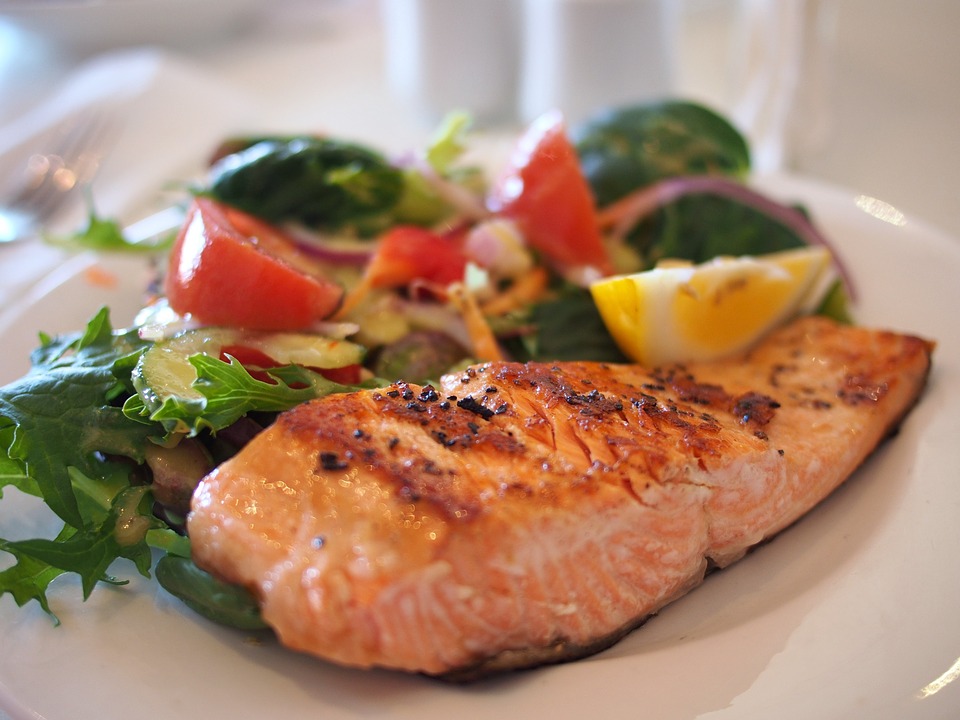
Foods you should try if you’re suffering from poor sleep
- Salmon – Oily fish is great for poor sleep as the DHA found in Omega-3 fats helps with the release of melatonin which will help lower anxiety and allow your mind to relax.
- Cherry juice – the pure stuff is also great at raising melatonin helping your mind to relax. Trials showed that if you drank it in the morning and two hours before bed sleep was increased by 90 minutes.
Avoid
- Junk food – Junk foods are low in fibre and high in sugar and fat which your body finds hard to break down effectively. The combination of higher sugar and fat causes your body to drop in energy and increase your stress hormones which will in turn have an effect on your mind.
Suffering from low energy
If you find yourself struggling to get through the day – and dreaming of a nap at 3pm – then your body is probably not getting the essentials it needs to function. If you’re not skipping meals and you’re getting enough water, your diet may be lacking vital iron and Vitamin B. By changing your eating habits you can help restore your energy levels over time.

What to eat for more energy
- Steak – One of the most common causes of fatigue is low iron levels and red meat is one of the easiest – and the tastiest- ways of increasing your iron. Try to eat red meat at least three times a week.
- Beetroot juice – if you’re a vegetarian or vegan then you’re obviously not going to be sticking steaks on your shopping list. Why not try beetroot juice, the plant is full of iron and is great if you’re suffering from anaemia. Try Beet it on Amazon).
Avoid
- Energy drinks – they’re may be marketed as a way to increase your energy – but what they actually do is increase your insulin levels, flushing your body with an unnaturally large release of energy. Your body can’t sustain this and your natural energy levels are stripped. This will lead to a slump and leave you feeling worse than before.
How to help irritable bowel syndrome
If you suffer regularly from bloating, abdominal cramps or diarrhoea you might actually have Irritable bowel syndrome (IBS). There is no strict way to treat IBS and it’s often diagnosed when other bowel conditions such as colitis are ruled out. There are however some ways you can change your eating habits to help reduce the effects of IBS.

Irritable bowel syndrome diet
- Mushrooms – Mushrooms that are rich in Vitamin D can help to reduce the signs of IBS. Scientist have found that those lacking in Vitamin D suffer more strongly with irritable bowel syndrome pain. Don’t worry you don’t need to start incorporating mushrooms into everything you eat – you can buy Vitamin D in capsule form (£16.72 on Amazon).
- Lean Protein- Meats such as a chicken, turkey and pork are easier to digest and produce less gases.
- Fatty Fish- Fatty fish such as anchovies, herring, salmon and black cod are great as they contain omega-3 which is known for its anti-inflammatory properties.
- Leafy Greens- Leafy greens are great to add to your diet if you have IBS as they rarely cause gut fermentation and they’re packed full of nutrients.
- Eggs- Eggs are generally easy to digest and can b enjoyed in many ways such as boiled, scrambled, fried etc.
Irritable bowel syndrome foods to avoid
- Fodmaps – it sounds complicated but fodmaps stands for fermentable carbohydrates. Gut bacteria can feed on fodmaps which can lead to uncomfortable bloating. Unfortunately fodmaps are in pretty much everything but there is a app that can help to distinguish what ones cause your body the most irritation. Search for Fodmap by FM to download the app.
How to avoid migraines
If you suffer from migraines you probably go a little mad inside when people refer to them as a ‘headache’. Migraines are caused by the blood vessels in the brain dilating suddenly. Foods like chocolate, red wine and cheese are common culprits but other foods can also make migraines flare up.

Migraines home remedy
- Leafy greens, nuts and seeds – It’s been found that a magnesium deficiency can lead to migraines. Foods that are rich in magnesium include leafy greens like spinach or pumpkin seeds. If you’re not sure on your greens you could always chuck them in with your favourite fruit and create a delicious smoothie.
Avoid
- Yoghurt and cheese – whilst dairy is great for the gut it’s not so kind on those who suffer with migraines. They’re full of histamine which can trigger migraines.
- Cured meat or leftovers – Another food that is full of histamine is left over meat where bacteria has started to ferment. If you’re a sufferer it’s best to avoid that day old chicken.
It just goes to show, how simply changing some of your eating habits can have a fundamental effect on how you feel from day to day. Do let me know if any of these tips helped you in the comments.
If you think your friends and family would love to find out more about the link between eating habits and health, please give the post a share on Twitter, Facebook and Pinterest.


